Tuesday, 23 February 2016

Photographer #1- Ekaterina Anokhina -FALLING-

Ekaterina Anokhina From the series '25 Weeks of Winter'

Imprints of grass tendrils on bare skin; a tattoo of a long, hot day spent with a loved one. Ekaterina Anokhina's work creates a powerful poem about arguably the worst disease palpable: lovesickness. 

This is a series of images I found whilst looking closer into falling, in this case falling in love. This is another interest of mine and feel this may be the route I continue with further.  
I really like the images from Ekaterina Anokhina as although they are quite simple and speak for themselves, they are very universal and can be relatable for a large audience. The idea of love being a 'disease' allows audience members to relate and see the simplicity of love and yet the larger more in depth version of love as well. 

I love these images and like the way they are so simple yet speak lots. I want to keep in mind these images and explore love in depth in relation to age and love. 


Monday, 22 February 2016

A-Level Exam- Falling

After researching all the possibilities in my exam and thinking through all my options I have decided to follow the stimuli: FALLING.

I chose this as I feel it will open up doors and allow me to explore all routes. In doing so hopefully I will achieve a wide ranged project exploring the stimuli. I have create multiple mind maps to explore all my ideas.
This mind map is not the only original ideas I have had. I have explored some ideas through my Pinterest account.  

https://uk.pinterest.com/Alevelcharlotte/

This Pinterest I use daily to add inspiration to my boards which I look at regularly to gain not only my inspiration but also knowledge about certain artists and photographers who I may use as research. 


This board as you can see, I used last year for my AS too and I felt it has come in handy. My board for my A-Level exam is very helpful and already quite full: 


This alongside with my favourite websites such as lensculture will inspire my to delve into FALLING even deeper.


Photography Supporting work


Planning -FALLING-

During my planning time I wanted to ensure I had a list of ideas that I feel either would or wouldn't work. This is a group of all my ideas on the things I want to try: such as techniques and ideas and the photographers I want to research. I am looking for a theory or an idea to continue throughout my work to show a development of ideas. This could be an idea around FALLING or something that links. In my research I want to explore ideas I would not normally explore, possibly looking into photography surrounding water as I am interested in it. I will explore photographers and their techniques and try to recreate or imitate them in a way that is personal to me and my exam title.

Using Lensculture.com and other photographic websites I will collate photographers and techniques and either pin them to my Pinterest (https://uk.pinterest.com/Alevelcharlotte/)  or my blog. During this planning time I want to look at as many photographers as I can.

Thursday, 18 February 2016

Photography Controlled Assignment


HAND IN DAY

I have submitted my work for this coursework project and for my final post have included the description of my project below:


Psychotic misplacement 


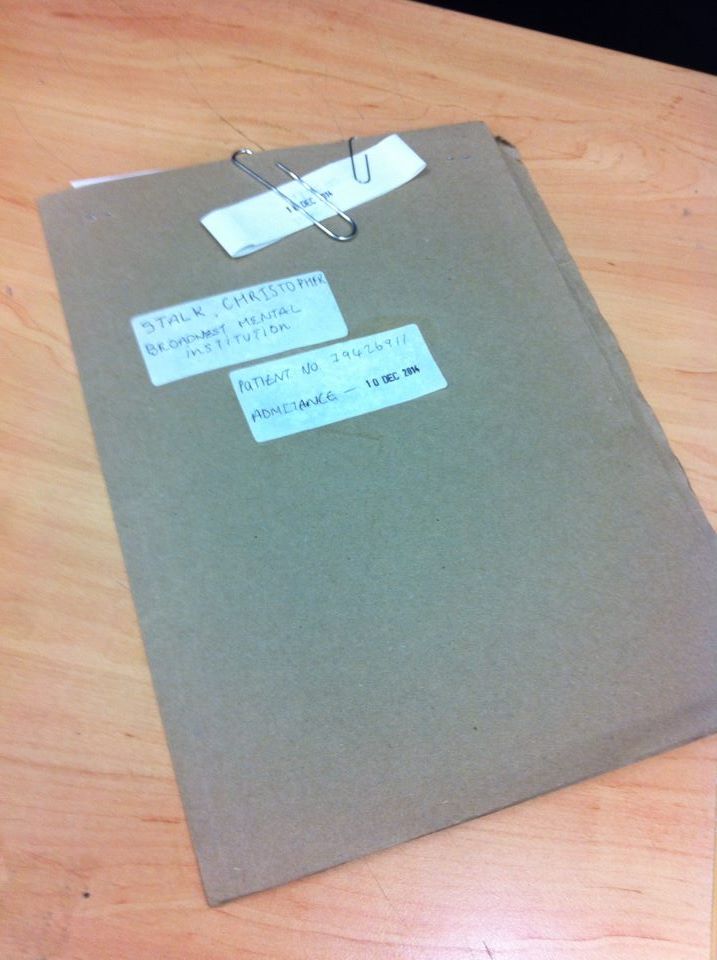
Throughout my research into misplacement I have begun to notice a lot of my work and the majority of my research works around a narrative. This being said my biggest inspiration for this work is Arthur Tress. Not only have Tress’ work helped inspire me but I have also looked into related artists, all of which their images revolve around a narrative. This narrative is what adds context and information around a subject in this case misplacement.  Along with Tress and some other visual artist I have a found interest in the way a story is formed and the images are just a small insight to the research behind it. With this in mind and my inspiration have a dramatic effect on my work I have developed an idea in which my final images will rake form. The idea of misplacement in not just a physical idea and my research has shown how I have taken this into account. On a more psychological level using my research from Tress but also using other types of research such as Sigmund Freud I have concluded my project with research into mental health. This image I have used to my advantage and with my final images I want to create a narrative. There is a lot of stigma surrounding mental health and although it is not spoken about in depth the problem for some is the mental fight with themselves. In this project I have brought my skills I photography and my artist ability to compile a project that not only looks at mental health but the way we judge them. My images contain 10 portraits that can be interpreted by the audience yet the narrative I have composed is with a boy with mental health issues. Although the images are striking it is a representation of his mental health and how he has to contain the emotions. It shows how people have to cope with such huge issues and yet are judged for not being able to see their problem.  Through the use of props I want to create a narrative of this boy and his troubled past resulting in a mental illness. Using case files such as doctors notes, drawing by the patient, daily check-ups, dietary information and general notes about the boy alongside my final images acting as portraits to tell the story.  The file will contain notes on some problems which I have done extensive research on to ensure I still respect the subject matter.  Overall I believe images tell a thousand words and with this project I want not only the images to speak for themselves but also allow the audience to interpret this in whatever way suits them

Friday, 12 February 2016

My images inspired by Kerry Skarbahe

These are my images that are inspired by Kerry Skarbahe. I have taken into account the environment I was in , the settings and the new camera and the time I had. These images are not at all my best but they show the experimentation I was having. I do like the way they have a lot of movement in them yet I feel I would like them more with them in focus and more clear.


Thursday, 4 February 2016

Final Project- Letters and stamps

In order to create a realistic file for my final exam I have created my own patient files and created myself a stamp. This adds to the realism and allows me audience to see the full narrative. Here are some of the letters I created myself and a stamp which I will use to sign off the letters.

Alongside these letters I want to create some drawings from the patient being inspired by outsider art. These will add to the realism and hopefully engage the audience further.


Tuesday, 2 February 2016

Medium- ART

In order to research my final project in depth I have decided to create my own patient notes file to add to the narrative of my images. I want to include drawings, poems and other general notes from doctors on meetings and analysis of the patient. This means I have a lot of work to do yet feel it will not only be rewarding for me to look at the final product but will ensure the audience have a fully complete narrative if observing my images. I have begun to create some documents such as an admittance notes and some observations. I am now researching other notes such as any artwork or poertry written by the patient. Due to the patient not being real and the name and illness being false I wil have to create these documents myself. I have some ideas and me and the model in the images will create some drawings and poems written by him.

Before I draw anything or write anything I want to do some research into it. I spoke to my photography teacher who recommended 'outsider art'. The term outsider art was coined by art critic Roger Cardinal in 1972 as an English synonym for art brut (French: "raw art" or "rough art"). This technique almost helps people get emotions out and uses a lot more abstract ideas. I decided on creating some art similar to the ones I found. I only used a simple Google search to find some of these images but really like the way they would fit in with my work:


Whilst researching this style of work I came across Arges Jorn whos work is of a similar style. He uses materials to create art. He was a Danish painter, sculptor, ceramic artist, and author and I feel this work fits in suitably with my work. His work is quite abstract and is open to interpretation. These are some of my favourite paintings by him:


I want to create images like this to show the fake  patients state of mind and mental health. It gives the audience a much more of a creative view on mental health and how it can be expressed through art.


Monday, 1 February 2016

Sylvia Plath and Ernest Hemingway- Medium POETRY

Earnest Hemingway suffered with depression, borderline and narcissistic personality traits, bipolar disorder and, later, psychosis coalesced to create Hemingway’s personal hell. Rather than turning to physicians or therapists for help, Hemingway used alcohol, engaged in risk-taking sportsmanship activities and wrote to cope. The author’s mental and physical health deteriorated so rapidly during the last years of his life — primarily due to alcoholism — that he finally accepted electroshock treatments in 1960. However, despite suffering from multiple psychiatric disorders, Hemingway was able to live a vibrant life until the age of 61 and within that time contribute immortal works of fiction to the literary canon. His work is loved by many and not many people know he suffered with mental illness.  Here is some of his work I will take inspiration from when creating a small poem based on mental health as if from the view of a patient. 


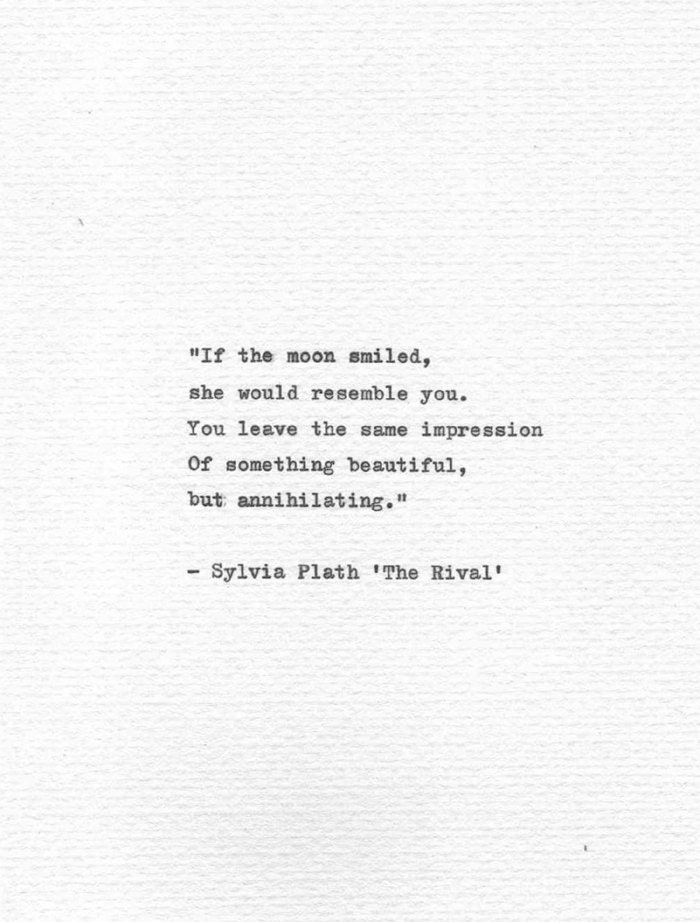
Another writer I looked at was Sylvia Plath. I am currently looking at her ex-husband in my English Literature lessons and have recently found she suffered with mental health.
While still in college, Plath plummeted into depression and was hospitalized and treated with shock therapy. She described her hospitalization as a “time of darkness, despair, and disillusion — so black only as the inferno of the human mind can be — symbolic death, and numb shock — then the painful agony of slow rebirth and psychic regeneration.”

Here is some of her work:


http://www.neuroticpoets.com/plath

https://en.wikipedia.org/wiki/Sylvia_Plath_effect#Sex_differences